

Phone:
(650) 866-4641

articles

Dry eye is a common condition that affects millions of individuals worldwide. It occurs when the eyes do not produce enough tears or the tears evaporate too quickly. This can lead to discomfort, irritation, and even vision problems. TearCare offers a breakthrough treatment option for long-lasting relief from dry eye.
What is TearCare?
TearCare is a revolutionary treatment option that offers long-lasting relief for dry eye sufferers. This innovative technology utilizes wearable eyelid warming devices to precisely deliver heat to the meibomian glands, effectively unclogging them and promoting healthier oil production. The treatment is performed in-office by a trained eye care professional and typically takes less than 15 minutes.
TearCare targets the root cause of the problem - meibomian gland dysfunction. By restoring the proper function of these glands, TearCare helps to stabilize the tear film, improve tear production, and alleviate the symptoms of dry eye. This breakthrough solution offers a safe and effective alternative to medications and artificial tear drops, providing long-lasting relief for those suffering from dry eye.
How TearCare Works to Treat Dry Eye
TearCare works by gently applying heat to the eyelids, stimulating the meibomian glands and promoting the release of healthy oils. The wearable eyelid warming devices are designed to maintain a consistent temperature, ensuring optimal results. The heat helps to liquefy any hardened oils or debris clogging the glands, allowing them to function properly again. This treatment can also help reduce inflammation and improve overall eyelid hygiene.

If you have recently undergone eye surgery, your eye doctor may recommend the use of post-surgical contact lenses as part of your recovery process. These specialized lenses are designed to aid in the healing and protection of your eyes after surgery.
Why Post-Surgical Contact Lenses May Be Necessary
After eye surgery, your eyes are in a delicate state and require extra care to ensure proper healing. Post-surgical contact lenses can play a crucial role in this process. These lenses act as a protective barrier, shielding your eyes from irritants such as dust, debris, and bright lights. They also help to maintain the shape of the cornea and aid in the prevention of infection. By wearing post-surgical contact lenses, you can minimize the risk of complications and promote a faster and smoother recovery.
Different Types of Post-Surgical Contact Lenses
There are various types of post-surgical contact lenses available, and the specific type recommended for you will depend on the nature of your surgery and your eye condition. One common type is the bandage contact lens, which is a soft, therapeutic lens that covers the cornea, providing protection and promoting healing.
Another type is scleral lenses, which is larger and covers a larger portion of the eye, providing enhanced protection and support. Your optometrist will determine the most suitable type of post-surgical contact lens for your individual needs.
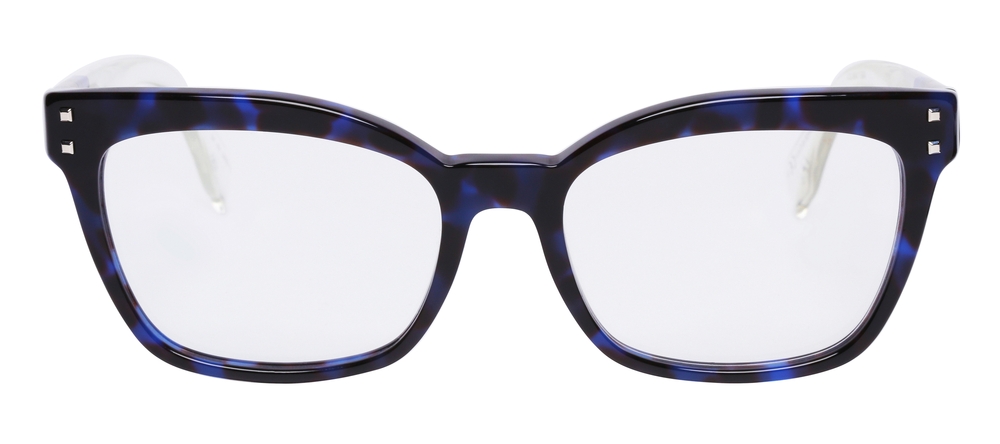
Technology continues to blur the lines between style and functionality - and Nuance Audio Glasses are a perfect example of this evolution. Designed to look like everyday eyewear, these innovative glasses feature built-in hearing enhancement technology that helps users hear conversations clearly while maintaining natural, effortless vision.
What Are Nuance Audio Glasses?
Nuance Audio Glasses are smart eyeglasses designed to provide both vision correction and enhanced hearing. Developed by Nuance Hearing, these glasses discreetly integrate directional microphones, miniature speakers, and Bluetooth connectivity into the frame - allowing wearers to improve their hearing experience without traditional hearing aids. By combining hearing technology with fashionable eyewear, Nuance Audio Glasses offer a seamless, everyday solution for individuals who want better hearing support without drawing attention to their device.
How Nuance Audio Glasses Work
The technology behind Nuance Audio Glasses focuses on selective sound amplification and speech clarity. The glasses use beamforming microphones to focus on voices in front of the wearer while reducing background noise. The enhanced sound is then transmitted through tiny speakers near the ears, allowing users to hear clearly without the occlusion effect common with in-ear devices.
This open-ear design keeps the ear canals unobstructed, promoting natural hearing while boosting important speech frequencies - ideal for conversations in noisy environments like restaurants or social gatherings.

Optomap is an innovative new technology that gives eye doctors the ability to perform ultra-wide retinal imaging that is far superior to what can currently be achieved using conventional retinal imaging options. In contrast to conventional retinal imaging, Optomap captures at least 50% more of the retina in a single capture, and with Optomap’s multi-capture function, up to 97% of the retina can be viewed. This gives eye care professionals greater opportunity to monitor the health and condition of patient vision.
Why is Optomap important?
Optomap is another great preventative eyecare technology tool. By allowing your eye doctor to have a comprehensive view of your retina, they will be able to detect any developing eye diseases early on, before they have a detrimental impact on your vision and day to day life. Not only can Optomap detect eye conditions such as retinal holes, retinal detachment, macular degeneration and diabetic retinopathy, but it can also be used to identify some general health conditions such as cardiovascular disease, stroke and cancer.

When it comes to maintaining your eye health, regular check-ups and screenings play a crucial role. One such screening method that has revolutionized the field of optometry is retinal imaging testing. This non-invasive procedure allows optometrists to capture detailed images of the retina, providing valuable insights into the overall health of your eyes.
The Importance of Retinal Imaging Testing
By examining the retina, which is the thin layer of tissue at the back of your eye responsible for capturing light and transmitting visual signals to the brain, optometrists can gain valuable insights into your eye health. Retinal imaging testing allows for the early detection of various eye conditions even before noticeable symptoms occur. This early detection is crucial as it enables prompt treatment and intervention, potentially preventing irreversible vision loss.
Advanced Retinal Imaging Technology
Retinal imaging testing has been made possible by the advancements in technology, specifically Optical Coherence Tomography (OCT) and Optos imaging. OCT is a non-invasive imaging technique that uses light waves to capture high-resolution cross-sectional images of the retina. It provides detailed information about the layers of the retina, helping eye doctors identify and monitor various eye conditions.
Optos imaging utilizes ultra-widefield retinal technology to capture a panoramic image of the retina. This technology allows for a more comprehensive view of the retina, including the periphery. Dilating drops are not necessary with Optos, making the process more convenient for patients.

Urgent eye care encompasses prompt evaluation and treatment of sudden or severe eye-related issues, including foreign object removal, chemical exposure, corneal abrasions, sudden vision loss, eye trauma, acute glaucoma, chemical burns, and eye infections. Seeking immediate professional attention from an optometrist is vital to prevent further damage and preserve vision.
Common Eye Emergencies or Urgent Eye Care Appointments
Eye emergencies can manifest in various forms, and it is essential to be able to identify them quickly. Some common eye emergencies include:
Foreign Object in the Eye: Particles, debris, or small objects can become lodged in the eye, causing pain, redness, tearing, and potential damage to the eye's surface.
Corneal Abrasions or Scratches: Injuries to the cornea, such as abrasions or scratches, can cause severe eye pain, light sensitivity, and a feeling of something in the eye.
Sudden Loss of Vision: Any sudden and unexplained loss of vision requires immediate attention to determine the underlying cause and initiate appropriate treatment.
Eye Trauma or Blunt Force Injury: Injuries to the eye from impact, trauma, or accidents can lead to serious complications, including retinal detachment, hemorrhage, or intraocular foreign bodies.
Chemical Burns: Exposure to caustic substances or chemicals can cause serious damage to the eyes, resulting in pain, redness, and potential vision loss.
Eye Infections: Infections such as conjunctivitis (pink eye) can cause redness, discharge, and discomfort in the eyes.
Recognizing these symptoms and seeking urgent care can prevent further complications.
The Importance of Basic Red Eye Exams in Urgent Care
Red eye exams are a fundamental part of urgent eye care. They help identify the cause of redness and determine the appropriate treatment. Basic red eye exams involve a comprehensive evaluation of the eye, including examining the eyelids, conjunctiva, cornea, and iris. These exams aid in the diagnosis and treatment of various conditions, such as conjunctivitis, uveitis, dry eyes, and corneal abrasions.

In September 2025, the FDA approved Stellest lenses for children ages 6 to 12 to correct and manage myopia, a major milestone for myopia care. These lenses have been successfully used in countries across Europe, Canada, and Asia since 2020, showing promising results in slowing eye growth associated with myopia.
The Importance of Early Myopia Management
Myopia typically begins in early childhood, often between the ages of 6 and 10, and tends to worsen quickly during the school years as children spend more time reading and using digital devices. The sooner it begins, the higher the risk that it will progress to more severe levels. Every increase in myopia level significantly raises the risk of eye health complications later in life, such as retinal detachment or glaucoma.
By beginning myopia management as soon as possible, parents can help slow eye growth and protect long-term vision. With innovative options like Stellest lenses, families now have effective, science-backed solutions to take control of their child’s myopia.
What Are Stellest Lenses?
Stellest lenses are a groundbreaking innovation in myopia control, developed by Essilor. They look like regular eyeglass lenses but are designed with specialized optical technology to both correct vision and slow the progression of myopia.

Vision therapy is a specialized form of treatment that aims to improve visual function and performance. It involves a series of eye exercises, activities, and visual training techniques designed to address a wide range of vision-related issues. Unlike traditional eye care, which often focuses on correcting refractive errors with glasses or contact lenses, vision therapy takes a holistic approach to addressing the underlying causes of visual problems.
By targeting the root causes of these issues, vision therapy can help individuals achieve better visual function, improve their overall well-being, and enhance their ability to perform daily tasks with greater ease and efficiency.
Amblyopia
Amblyopia, commonly known as "lazy eye," is a common vision condition that affects approximately 2-3% of the population. It occurs when one eye develops reduced visual acuity due to the brain's inability to properly process information from that eye.
In many cases, amblyopia develops during childhood, often due to factors such as refractive errors, strabismus (misaligned eyes), or visual deprivation. If left untreated, amblyopia can lead to permanent vision loss in the affected eye, as the brain increasingly favors the stronger eye and the weaker eye's visual processing abilities deteriorate.
Vision therapy is a highly effective treatment for amblyopia, as it aims to retrain the brain to properly utilize the weaker eye. Through a series of specialized exercises and activities, vision therapy can strengthen the neural pathways between the brain and the affected eye, improving visual acuity and binocular vision.
The key to successful treatment lies in the brain's remarkable ability to adapt and change, known as neuroplasticity. By engaging in targeted vision therapy, individuals with amblyopia can stimulate this neuroplasticity, allowing the brain to reorganize and improve its processing of visual information from the weaker eye.
Strabismus
Strabismus, also known as crossed eyes or misaligned eyes, is a condition where the eyes do not properly align with each other. This can cause one eye to turn inward, outward, upward, or downward, resulting in a lack of binocular vision and depth perception.
Strabismus can have a significant impact on an individual's visual function, self-esteem, and overall quality of life. Left untreated, it can lead to the development of amblyopia (lazy eye) and other vision-related problems.
Vision therapy is a highly effective treatment for strabismus, as it focuses on retraining the brain and the eye muscles to work together in a coordinated manner. Through a series of specialized exercises and activities, vision therapy can help individuals with strabismus improve their eye alignment, binocular vision, and depth perception.
Binocular Vision Disorders
Binocular vision disorders are a group of conditions that affect the way the eyes work together as a team. These disorders can result in a range of visual problems, including difficulty with depth perception, eye strain, headaches, and difficulties with reading and other visual tasks.
Some common binocular vision disorders that can be effectively treated with vision therapy include:
Convergence Insufficiency: This condition is characterized by the inability of the eyes to properly converge, or come together, when focusing on a close object. This can lead to eye strain, headaches, and difficulties with reading and other near-work activities.
Accommodative Dysfunction: Accommodative dysfunction is a problem with the eye's ability to focus, or "accommodate," on near objects. This can cause blurred vision, eye strain, and difficulties with reading and other close-up tasks.
Vergence Dysfunction: Vergence dysfunction refers to a problem with the eye's ability to work together to maintain proper alignment and focus. This can lead to double vision, eye strain, and difficulties with depth perception.
Through vision therapy, individuals with binocular vision disorders can retrain their visual system to work more efficiently and effectively. The goal of vision therapy is to improve the coordination and synchronization of the eyes, ultimately leading to better visual performance and reduced visual symptoms.

Wearing contact lenses gives patients the flexibility and freedom to live life to the fullest, without some of the difficulties presented by wearing glasses. Many people who choose contact lenses do so because they don’t like the way that glasses look or feel, or because wearing glasses compromises their ability to perform certain tasks or activities, such as sports or jobs that require the use of safety goggles.
There are lots of different contact lenses to choose from, with two of the most popular being daily disposables and toric lenses.
Disposable Lenses
As their name suggests, these daily contact lenses are disposable. This means that they can and should be discarded at the end of each day rather than re-worn. Disposable lenses do tend to be a little more expensive than some repeat-wear varieties, but the benefits usually outweigh the cost.
Some of the advantages of choosing daily disposable contact lenses include:
You don’t have to clean them, which saves patients a great deal of time and hassle. It also helps save money in terms of the ongoing cost of cleaning solution.
Disposable lenses are also great for people with eye allergies. This is because with ordinary lenses, there’s an opportunity for deposits and microorganisms to build up. With daily disposables, allergens have less chance to attach themselves to the lenses and cause irritation and other allergy symptoms.
You don’t need to schedule regular replacements either, which makes wearing contact lenses easier on your schedule.
Disposable contact lenses are particularly good for people who have busy lives and are likely to cut corners when it comes to caring for their eyes or contacts since there is no cleaning or maintenance required.
Daily disposable contact lenses are available in a wide range of prescriptions, including those for patients with nearsightedness and farsightedness. Your eye doctor will be able to advise you if you are a candidate for disposable contact lenses.

Ocular aesthetics, which focuses on improving the appearance of the eyes and the surrounding area, has gained significant popularity in recent years. Ocular aesthetics aims to rejuvenate the eyes, making them appear more youthful, vibrant, and refreshed. This can be achieved through advanced technology treatments that are designed to address specific concerns and enhance the overall appearance of the eyes.
Common Concerns in Ocular Aesthetics
There are several common concerns that individuals seek to address through ocular aesthetics. These concerns may be a result of natural aging, genetics, or lifestyle factors. One of the most common concerns is the appearance of wrinkles and fine lines around the eyes, commonly known as crow's feet. These lines can make you look older and tired.
Another common concern is the presence of dark circles and puffiness under the eyes. This can give the impression of fatigue and detract from the overall attractiveness of the eyes.
IPL and How it Works
Intense Pulsed Light (IPL) has emerged as a popular and effective treatment option in ocular aesthetics. IPL works by emitting high-intensity light pulses that target specific chromophores in the skin, such as melanin and blood vessels. This targeted approach allows for precise treatment of various concerns around the eyes.
IPL treatments can effectively address pigmentation irregularities, such as age spots and sun damage, which often contribute to an aged appearance. By targeting these concerns, IPL can help restore a more even skin tone and improve the overall aesthetics of the eyes.
IPL treatments are non-invasive and typically require minimal downtime. The number of sessions needed may vary depending on the specific concerns being addressed. By consulting your optometrist, you can determine the best treatment plan to achieve your desired ocular aesthetics.
Radiofrequency (RF) for Ocular Aesthetics
Radiofrequency (RF) treatments have gained significant popularity in ocular aesthetics due to their effectiveness in addressing various concerns around the eyes. RF works by delivering controlled radiofrequency waves into the deeper layers of the skin, stimulating collagen production and tightening the tissues.
One of the primary concerns that RF treatments can address is drooping eyelids. As we age, the skin around the eyes can lose elasticity, causing the eyelids to sag. RF treatments can effectively tighten the skin, resulting in a more youthful and lifted appearance. This can help restore the natural contour and symmetry of the eyes, enhancing their overall aesthetics.
RF treatments can also target under-eye bags, which can make the eyes appear tired and aged. By stimulating collagen production, RF can improve the overall tone and texture of the skin, reducing the appearance of under-eye bags and giving the eyes a more refreshed and vibrant look.
Exploring Low-Level Light Therapy (LLLT)
Low-Level Light Therapy (LLLT) has gained recognition in ocular aesthetics for its ability to promote cellular activity and stimulate collagen production. LLLT utilizes specific wavelengths of light that penetrate the skin, triggering a series of biological responses that can improve the health and appearance of the eyes.
LLLT treatments can effectively address concerns such as fine lines, wrinkles, and dark circles around the eyes. By stimulating collagen production, LLLT can help reduce the appearance of these concerns, resulting in a more youthful and vibrant look.
In addition to its anti-aging benefits, LLLT can also improve the overall health of the eyes. By promoting cellular activity, LLLT can enhance circulation, reduce inflammation, and support the natural healing process. This can be particularly beneficial for individuals with conditions such as dry eyes or eye fatigue.
All Eye
Care Services
Keep
In Touch

We provide the highest quality service to all our patients.
Book An AppointmentManaged and Design by
