

Phone:
(650) 866-4641

articles

Astigmatism is a common refractive error that occurs when the cornea or lens of the eye is not perfectly spherical. Instead of having a uniform, rounded shape, the cornea or lens has a slightly more curved or irregular shape, resembling more of an oval or football-like appearance.
This irregular shape causes light to bend or refract unevenly as it enters the eye, leading to blurred or distorted vision. Astigmatism is often present from birth, but it can also develop later in life due to various factors, such as eye injuries, certain medical conditions, or the natural aging process.
Common Symptoms of Astigmatism
If you have astigmatism, you may experience a range of symptoms that can impact your daily life. Some of the most common symptoms of astigmatism include:
Blurred or distorted vision, especially at a distance or when reading
Difficulty seeing clearly at night or in low-light conditions
Frequent headaches or eye strain
Sensitivity to glare or bright lights
Double vision or the appearance of halos around lights
These symptoms can vary in severity and may become more pronounced over time, especially if the astigmatism is left uncorrected.

Dry eye isn’t always just “not enough tears.” Often, the surface of the eye is irritated and inflamed, so tears don’t stay smooth or stable. For some people with more severe symptoms, amniotic membrane therapy can help by acting like a protective bandage that calms the surface and supports healing.
What Are Amniotic Membranes?
Amniotic membranes are derived from the innermost layer of the placenta and are carefully processed for medical use. Amniotic membranes are used to support regeneration of the corneal surface.
They contain growth factors and biologically active components that:
Reduce inflammation
Promote tissue healing
Minimize scarring
Protect the surface of the eye
Because they are immune-privileged and thoroughly screened, they are considered safe and well.
How Do Amniotic Membranes Help Dry Eye?
In moderate to severe dry eye disease, chronic inflammation can damage the corneal surface. This damage can lead to persistent discomfort, fluctuating vision, and delayed healing.
Amniotic membranes work by acting as a biological bandage. Once placed on the eye, they:
Create a protective barrier over the cornea
Reduce surface inflammation
Encourage regeneration of healthy cells
Restore smoother corneal tissue
By addressing the underlying inflammation and surface damage, amniotic membranes do more than simply mask symptoms - they promote healing at the source.
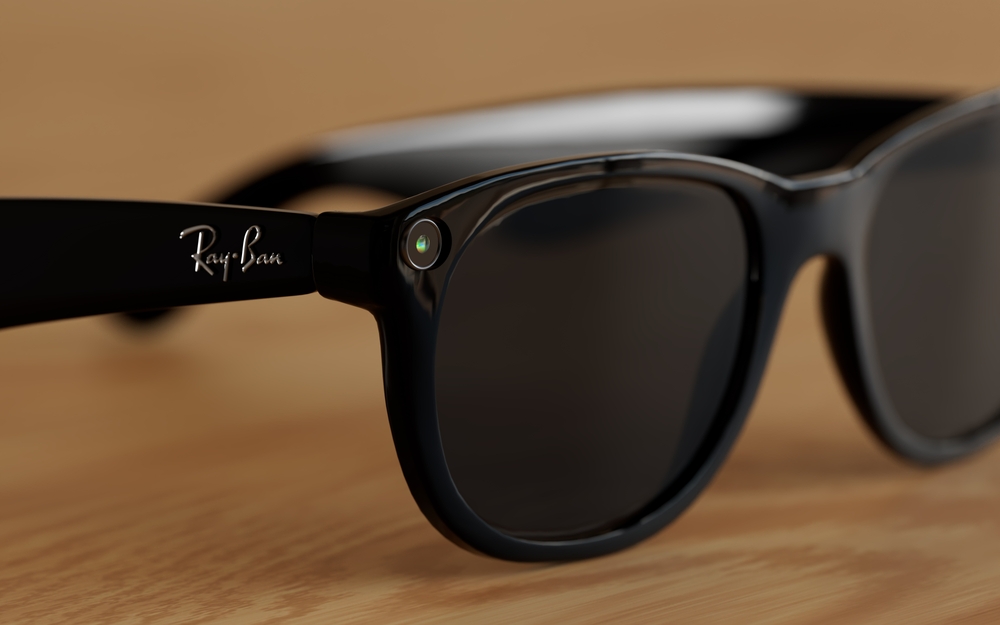
Ray-Ban has long been recognized as a leader in timeless style, but now the brand is taking a bold step into the future. In collaboration with Meta, Ray-Ban has introduced a groundbreaking innovation - Ray-Ban Meta Glasses. These glasses are a fusion of iconic design and next-generation technology that allows you to capture, share, and stay connected like never before.
What Are Ray-Ban Meta Glasses?
Ray-Ban Meta Glasses go beyond vision correction or sun protection - they seamlessly integrate a camera, speakers, and voice-activated AI assistance, allowing users to capture, share, and interact hands-free. With their classic Ray-Ban frames, these glasses look just like traditional eyewear, but they’re packed with cutting-edge features hidden in plain sight.
Key Features and Technology
Built-in Cameras: Capture photos and videos instantly with a simple voice command or tap on the frame. The dual 12MP cameras allow for high-quality media with depth and detail.
Open-Ear Audio: Discreet speakers positioned near your ears provide clear sound without blocking ambient noise, letting you listen to music, take calls, or hear notifications seamlessly.
Meta AI Integration: Access Meta’s AI assistant through voice commands. Ask questions, control your device, or get updates - all without taking your phone out.
Live Streaming and Sharing: Stream directly to social media platforms like Instagram and Facebook in real time, making it easy to share your perspective with your audience.
Touch and Voice Controls: Intuitive touch-sensitive temples and responsive voice commands give you full control over your smart features.
Transitions® Lenses Option: Enjoy lenses that automatically adapt to changing light conditions for optimal comfort both indoors and outdoors.

Post-concussion syndrome (PCS) is a complex condition that can occur after a traumatic brain injury (TBI), such as a concussion. While the initial injury may have healed, the lingering symptoms can significantly impact your daily life, making it challenging to return to your normal routines and activities.
What is Post-Concussion Syndrome?
Post-concussion syndrome is a collection of physical, cognitive, and emotional symptoms that can persist for weeks, months, or even years after a head injury. Unlike the typical recovery from a concussion, which usually resolves within a few days or weeks, PCS can be a prolonged and debilitating experience. The symptoms of PCS can vary widely from person to person, making it a complex and often misunderstood condition.
Causes of Post-Concussion Syndrome
One of the primary causes of post-concussion syndrome is the disruption of the brain’s normal function due to the injury itself. When the brain experiences trauma, it can lead to a variety of biochemical and structural changes, which may cause the ongoing symptoms of PCS. The severity of the concussion does not always correlate with the likelihood of developing PCS; even minor concussions can lead to prolonged post-concussion symptoms in some individuals.
Another contributing factor to PCS may be related to the individual’s psychological response to the injury. Anxiety, stress, and pre-existing mental health conditions can exacerbate the symptoms of PCS and prolong the recovery process. People who have a history of migraines, anxiety disorders, or depression may be more prone to developing post-concussion syndrome.
Recognizing the Symptoms of Post-Concussion Syndrome
The symptoms of post-concussion syndrome can be diverse and can vary in severity from person to person. Some of the most common symptoms include:
Physical Symptoms: Headaches, dizziness, nausea, sensitivity to light or sound, fatigue, and sleep disturbances.
Cognitive Symptoms: Difficulty concentrating, memory problems, slower processing speed, and reduced problem-solving abilities.
Emotional Symptoms: Irritability, mood swings, anxiety, depression, and increased emotional sensitivity.
The presence and severity of these symptoms can fluctuate over time, making it crucial to monitor your condition closely and communicate any changes to your primary care or eye doctor.

Newton™
Newton™, formerly Neurolens®, is the first and only prescription lenses that include an element of contoured prism in their design. This prism is designed to bring the patient’s eyes into more equal alignment, and this should help to provide relief from the symptoms that are associated with several eye misalignment conditions, including digital eye strain and binocular vision dysfunction.
What is digital eye strain?
Digital eye strain is the name given to describe a group of symptoms that can occur when someone spends long periods of time using digital devices. Since using digital devices requires the eyes to work harder than normal and we don’t always position our devices the perfect distance away, it can lead to issues such as eye pain, dry and irritated eyes, eye fatigue, light sensitivity, and blurred vision. Unsurprisingly, the number of people who are experiencing digital eye strain has grown significantly over the last few years and is expected to continue to do so.
What is binocular vision dysfunction?
Binocular vision dysfunction, also known as BVD for short, is another eye condition but is one that is very misunderstood. Binocular vision dysfunction occurs when the eyes aren’t perfectly aligned, causing your brain and eyes to work harder than normal in order to create a clear visual image and remain focused. This places pressure on the trigeminal nerve, which is the nerve that is responsible for the majority of the sensations that we experience in our head and back. BVD can often manifest as other things owing to the huge range of symptoms that are associated with the condition. These can include, but aren’t limited to:
Blurred vision
Headaches/migraines
Double vision
Motion sickness
Vertigo
Dizziness
Anxiety
Many people don’t think to visit an eye doctor when they are experiencing these symptoms, but all can occur simply because the eyes are out of alignment.

Migraines are a debilitating neurological condition that affect millions of people worldwide. One of the most common and disabling symptoms of migraines is light sensitivity, also known as photophobia. This heightened sensitivity to light can be a significant source of discomfort and pain for those suffering from migraines, making it difficult to function during an attack.
Photophobia is a common symptom of migraines, with up to 80% of migraine sufferers experiencing sensitivity to light during an attack. This sensitivity can be triggered by various types of light, including natural sunlight, fluorescent lighting, and even the glow of computer screens or smartphones.

As technology continues to advance, so does the field of the optometric industry. The development of innovative tools and techniques has allowed for more accurate and comprehensive examinations. One such technology is Optos, a revolutionary system that utilizes ultra-widefield retinal imaging technology to provide optometrists with a detailed view of the entire retina.
How Does Optos Work?
Optos technology is based on the principle of ultra-widefield retinal imaging, which allows for a wider and more detailed view of the retina compared to traditional imaging techniques. The Optos system consists of a specialized camera that captures high-resolution images of the retina using scanning laser ophthalmoscopy (SLO) and optical coherence tomography (OCT) technologies. SLO provides a wide-field view of the retina, while OCT allows for cross-sectional imaging, providing valuable insights into the various layers of the retina.
The Optos camera is designed to capture images through a process called optomap, which captures up to 200 degrees of the retina in a single image. This wide-field view provides optometrists with a comprehensive picture of the retina, enabling them to detect abnormalities that may not be visible with traditional imaging techniques. The optomap image can be instantly viewed and analyzed by your eye doctor, allowing for a more efficient and accurate diagnosis.
Common Eye Conditions Detected by Optos
Optos technology has the capability to detect a wide range of eye conditions, including but not limited to, diabetic retinopathy, macular degeneration, glaucoma, and retinal tears or detachments. Diabetic retinopathy is a condition that affects individuals with diabetes, causing damage to the blood vessels in the retina. Optos can capture detailed images of the retina, enabling optometrists to detect any signs of diabetic retinopathy and initiate appropriate treatment.
Macular degeneration is another common eye condition that can be detected using Optos. This condition affects the macula, the central part of the retina responsible for sharp, central vision. Optos allows for a comprehensive view of the macula, identifying any changes or abnormalities that may indicate the presence of macular degeneration.
Glaucoma, a condition characterized by damage to the optic nerve, can also be detected using Optos. The wide-field view provided by Optos allows for a thorough examination of the optic nerve and the surrounding structures, facilitating early detection and intervention.
Finally, Optos technology is particularly effective in detecting retinal tears or detachments. These conditions can lead to sudden vision loss and require immediate medical attention. Optos allows for a comprehensive view of the retina, identifying any signs of retinal tears or detachments and initiate prompt treatment.

Millions of people suffer from eye and vision-related problems. For some, the solution is as simple as wearing prescription eyeglasses or contact lenses. However, others face challenges that aren’t as easy to rectify. That’s where Lumenis comes into play.
As a world leader in minimally invasive clinical solutions for both ophthalmology and aesthetic markets, it’s making a significant difference. Not only does Lumenis develop advanced energy-based technologies, but it also commercializes them.
The company continues to find innovative solutions. However, it’s already provided the fields of ophthalmology and aesthetics with remarkable technologies. OptiLight is just one example.
Eye and Vision-Related Solution
The company invented the first and only technology to treat individuals for dry eye disease caused by MGD. Not only is it approved by the Food and Drug Administration (FDA), but also patented. Optimal Pulse Technology (OPT) makes it easier to successfully manage this particular eye disease. Overall, OptiLight is safe, precise, comfortable, and effective.
Managing Symptoms
According to recent statistics, roughly 22% of the U.S. population suffers from dry eye disease along with MGD. That combination leads to an array of uncomfortable symptoms.
Dry eye occurs when a person’s eyes don’t produce adequate tears to keep them lubricated or when tears don’t work the way they should. MGD is a condition that affects the small glands in the eyelid responsible for making the oil layer for tears.
Having to deal with one of these problems is bad enough. However, living with both can prove debilitating for some people. Thanks to OptiLight, people with the two conditions get much-needed relief. Here are the ways this advanced technology helps:
Reduces inflammatory mediators, which, thereby, prevents inflammation
Improves tear breakup time, which, in response, decreases osmolarity
Alleviates abnormal blood vessels that commonly cause inflammation
Restores meibomian glands so they function properly
Decreases demodex mites that cause infection and the accumulation of bacteria on the eyelids
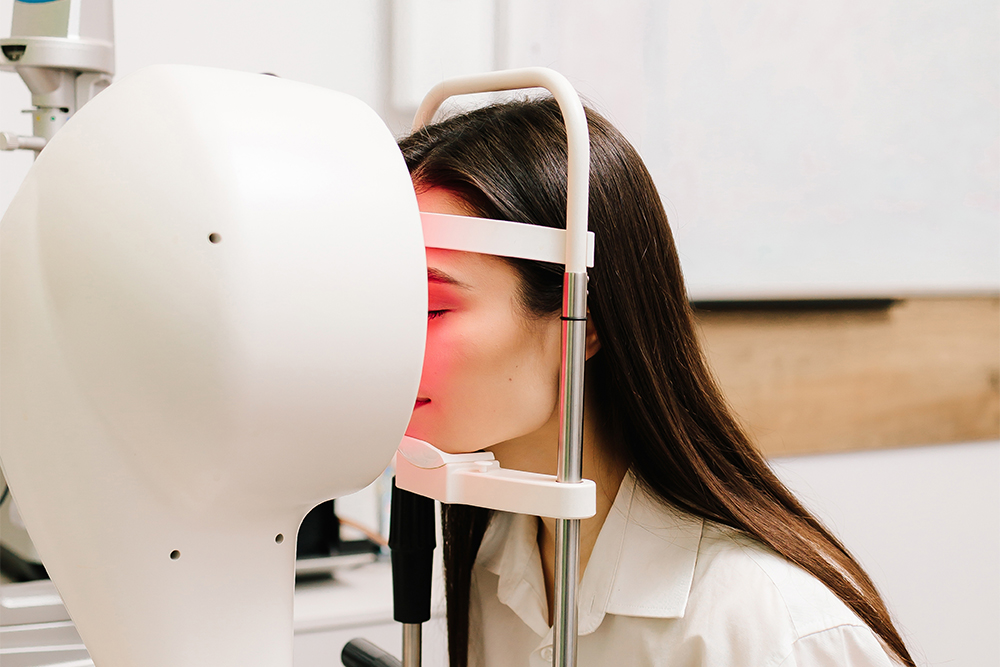
When it comes to diagnosing and managing complex vision conditions, precision matters. One of the most advanced tools is Medmont topography - a state-of-the-art technology that provides highly detailed maps of the cornea. Whether you are being evaluated for specialty contact lenses, dry eye treatment, or refractive surgery, Medmont topography plays a critical role in delivering accurate, customized care.
What Is Medmont Topography?
Medmont topography refers to corneal imaging performed with the Medmont E300 Corneal Topographer, a diagnostic device designed to capture detailed curvature measurements of the cornea.
Using advanced Placido disc technology, the system projects illuminated rings onto the cornea and analyzes their reflections. From this data, it generates a color-coded map that reveals the shape, elevation, and curvature of the cornea with exceptional accuracy.
Why Is Corneal Topography Important?
The cornea is responsible for approximately two-thirds of the eye’s focusing power. Even subtle irregularities can significantly affect vision. Medmont topography allows your eye doctor to detect and monitor:
Keratoconus and other corneal ectasias
Corneal irregularities or scarring
Post-surgical corneal changes
Astigmatism patterns
Contact lens fitting complications
Early signs of corneal distortion
Because it provides highly detailed imaging, Medmont topography often identifies changes long before they become noticeable in a routine vision exam.
How Medmont Topography Improves Contact Lens Fitting
For patients who require specialty contact lenses - such as scleral lenses, hybrid lenses, or lenses for keratoconus - precise corneal mapping is essential.
The Medmont system offers:
High-resolution curvature data
Wide corneal coverage
Repeatable, reliable measurements
Advanced software analysis
This allows your doctor to design and fit custom lenses with greater accuracy, improving comfort, stability, and visual clarity while reducing trial-and-error fittings.

In the ever-evolving world of vision correction, multifocal contact lenses have emerged as a game-changer for individuals seeking a seamless solution to address their presbyopia. As you navigate through life's various stages, your eyes may undergo changes that can impact your ability to focus clearly on objects at different distances. Multifocal contact lenses offer a convenient and effective way to combat this challenge, providing you with a versatile and comfortable option for correcting your vision.
What Are Multifocal Contact Lenses?
Multifocal contact lenses are specialized lenses designed to correct presbyopia, a condition that typically occurs as you age, making it difficult to focus on near objects. Unlike traditional single-vision lenses that correct either near or distance vision, multifocal contact lenses incorporate multiple prescriptions into a single lens. This innovative design allows you to enjoy clear vision at various distances, eliminating the need for separate reading glasses or bifocals.
How Do Multifocal Contact Lenses Work?
Multifocal contact lenses employ advanced optical technologies to provide seamless vision correction. These lenses feature distinct zones or concentric rings that correspond to different prescriptions for near, intermediate, and distance vision. As your eyes move and focus on objects at varying distances, the appropriate zone of the lens comes into play, ensuring a clear and comfortable visual experience.
There are two main types of multifocal contact lens designs:
Simultaneous Vision Design: In this design, the lens incorporates multiple prescriptions simultaneously, allowing your eyes to utilize the appropriate zone based on the viewing distance. This design can take some time to adjust to, as your brain learns to interpret the different visual inputs.
Alternating Vision Design: Also known as "segmented" or "translating" lenses, these lenses have distinct zones for near and distance vision. As you move your eyes or shift your gaze, the appropriate zone is positioned in front of your pupil, providing the necessary correction.
Eye Conditions That Multifocal Contact Lenses Can Treat
Multifocal contact lenses are primarily designed to address the following vision-related conditions:
Presbyopia: As you age, the natural lenses in your eyes lose flexibility, making it challenging to focus on nearby objects. Multifocal contact lenses can correct this age-related farsightedness, allowing you to see clearly at all distances.
Myopia (Nearsightedness): If you struggle to see distant objects clearly, multifocal contact lenses can incorporate a prescription to correct myopia, while also providing near and intermediate vision correction.
Hyperopia (Farsightedness): For individuals with farsightedness, multifocal contact lenses can offer a solution by incorporating a prescription to improve distance vision, along with near and intermediate vision correction.
Astigmatism: Some multifocal contact lenses are designed to correct astigmatism, a condition caused by an irregularly shaped cornea or lens, resulting in blurred or distorted vision.
All Eye
Care Services

Keep
In Touch

We provide the highest quality service to all our patients.
Book An AppointmentManaged and Design by
