
Phone:
(650) 866-4641

A Simple Guide to Understanding Astigmatism and How To Correct It
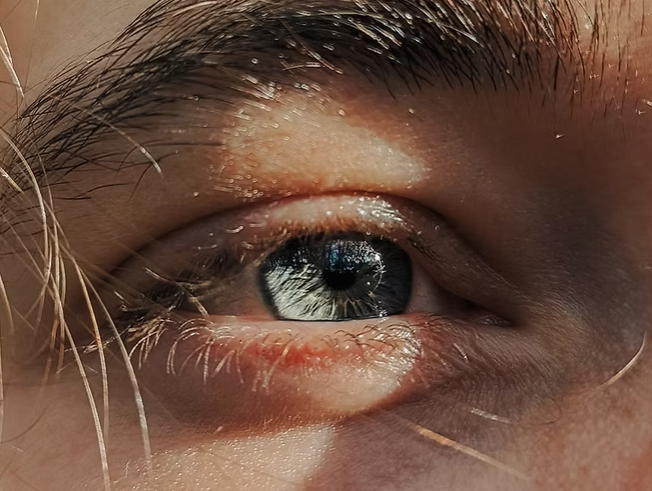
If you’ve ever wondered why your vision sometimes looks stretched, shadowed, or slightly “off,” you may be experiencing the effects of astigmatism. Despite how common it is, many people don’t fully understand what astigmatism is or how easily it can be corrected. At Optica Optometry, we focus on clear explanations and personalized care so you can make confident decisions about your vision.
Our straightforward guide breaks down the astigmatism definition, common symptoms, and the treatment options available to help you see clearly and comfortably every day.
What Is Astigmatism?
Astigmatism occurs when the cornea (the clear front surface of your eye) or the lens inside your eye has an irregular shape. Instead of being round like a basketball, it’s curved more like a football. This uneven curvature prevents light from focusing on a single point on the retina, which leads to blurry or distorted vision.
Astigmatism affects roughly 1 in 3 people in the U.S., making it one of the most common refractive errors.
In most cases, this issue can occur on its own or alongside nearsightedness or farsightedness. Astigmatism is not a disease, and it doesn’t mean anything is “wrong” with your eyes. It simply means the eye’s curvature needs correction for optimal focus.
Common Symptoms of Astigmatism
The symptoms of astigmatism can vary from person to person, and many people don’t realize their vision issues are tied to irregular corneal or lens shape. The most common signs include the following.
1. Blurry or Distorted Vision
Many people first notice blurry vision astigmatism, especially when trying to read small text or view objects at a distance. Letters may look stretched, doubled, or shadowed.
2. Eyestrain and Fatigue
Because your eyes work harder to correct the distortion, you may feel tired after long periods of reading or screen time.3. Headaches
Squinting or straining to compensate for astigmatism often leads to tension headaches, especially around the forehead and temples.
4. Difficulty Seeing at Night
Low-light conditions make the blurring effect more noticeable. Streetlights or headlights may look streaky or halo-like.
5. Frequent Squinting
Your eyes naturally try to improve focus by narrowing the eyelids, but this creates only temporary clarity.
If any of these symptoms sound familiar, an eye exam is the best next step. Astigmatism is easily diagnosed during a routine comprehensive eye exam at Optica Optometry.
What Causes Astigmatism?
Astigmatism often develops naturally as the eye grows and changes. In many cases, people are born with it. However, other factors may contribute, including the following.
Family history of refractive errors
Eye injuries
Certain eye conditions
Post-surgical changes
What’s important to know is that astigmatism is not caused by reading too close to the screen, sitting in dim light, or any of the common myths people hear over the years.
How Astigmatism Is Corrected
The good news is that astigmatism is very treatable. You have several effective options, and at Optica Optometry, we can help determine which solution fits your lifestyle and comfort best.
1. Eyeglasses
Eyeglasses use special cylindrical lenses to compensate for the eye’s irregular curvature, allowing light to focus correctly on the retina. This correction is built directly into your prescription.
These devices are often the first line of defense because they are affordable, easy to use, and ideal for patients of all ages.
2. Contact Lenses
For patients who prefer contacts, toric lenses are designed specifically for astigmatism. These lenses have different powers in different meridians of the lens, allowing light to enter the eye more accurately. Many patients feel contacts provide a wider field of view and more natural visual clarity.
3. Specialty Lenses
For higher levels of astigmatism or corneal irregularities, we offer customized lens options such as rigid gas-permeable lenses or scleral lenses. These advanced lenses provide exceptional clarity and comfort for patients who need more specialized correction.
4. Laser Vision Correction (When Appropriate)
Procedures such as LASIK or PRK reshape the cornea to correct astigmatism permanently.
Not everyone is a candidate, so a full evaluation is essential. We can assess your eligibility during a comprehensive consultation.
Why Choose Optica Optometry for Astigmatism Care?
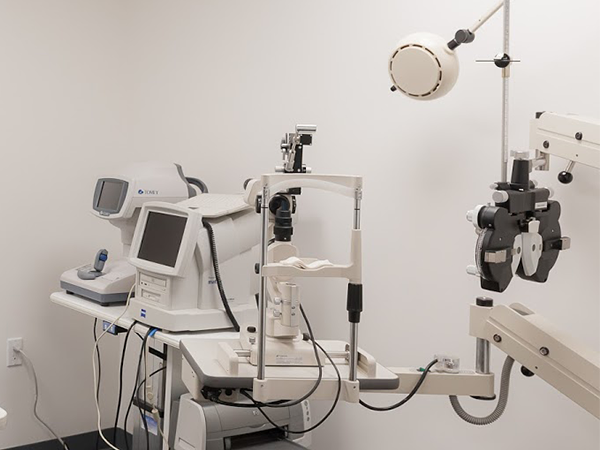
At Optica Optometry, we combine advanced diagnostic technology with personalized patient care. Because astigmatism varies widely from person to person, accurate measurement and individualized correction are essential.
When you visit us, we offer the following.
A comprehensive exam to determine the exact type and degree of your astigmatism
Clear explanation of results
Recommendations for eyeglasses, contacts, or specialty lenses based on your lifestyle and comfort
Our goal is simple: to help you see clearly with solutions tailored to your eyes.
If you’re experiencing signs of astigmatism or simply want to check your visual clarity, schedule an appointment with our team at Optica Optometry. We’re here to help you understand your vision and improve it with confidence.
All Eye
Care Services

Keep
In Touch

We provide the highest quality service to all our patients.
Book An AppointmentManaged and Design by
